
Portrayal of alcohol in media has a lot of influence on people and their drinking habits; media tells people when and what to drink. For instance, have you ever paid attention to the number of beer ads on tv, especially if a football game is on? They are repetitive and keep increasing in number. Of course, there’s nothing wrong with reaching the target market a business is aiming for.
But with continuingly streaming media, it is becoming much more than selling a product to the customer. It is affecting customer’s habits; today, people cannot watch a sports game without having a beer. This did not just happen because people who watch sports are also people who drink beer. Beer became a must have for some occasions. Think of barbeque parties as well; there’s always beer served.
There’s an alcoholic beverage that suits almost every occasion.
How did alcohol become a celebration drink? Weddings, birthdays, college parties or any event that celebrates something does it by serving alcohol.

On the other hand, many people discuss that too much emphasis is on positive aspects of drinking when negative effects are disregarded by media. You can’t expect any ad to show negative sides of a product. However, whether it is bad or not, American culture has become obsessed with alcohol and media has a big part in this. There’s nothing wrong about having alcohol ads on TV; the obsession factor comes in when the number of them increase and start affecting people more than convincing them to buy their products.
And, this is not just true for TV commercials, movies and TV shows do an indirect marketing of alcohol by portraying the glorified fun that comes by drinking. Overall, there’s barely any media that you cannot see alcohol.
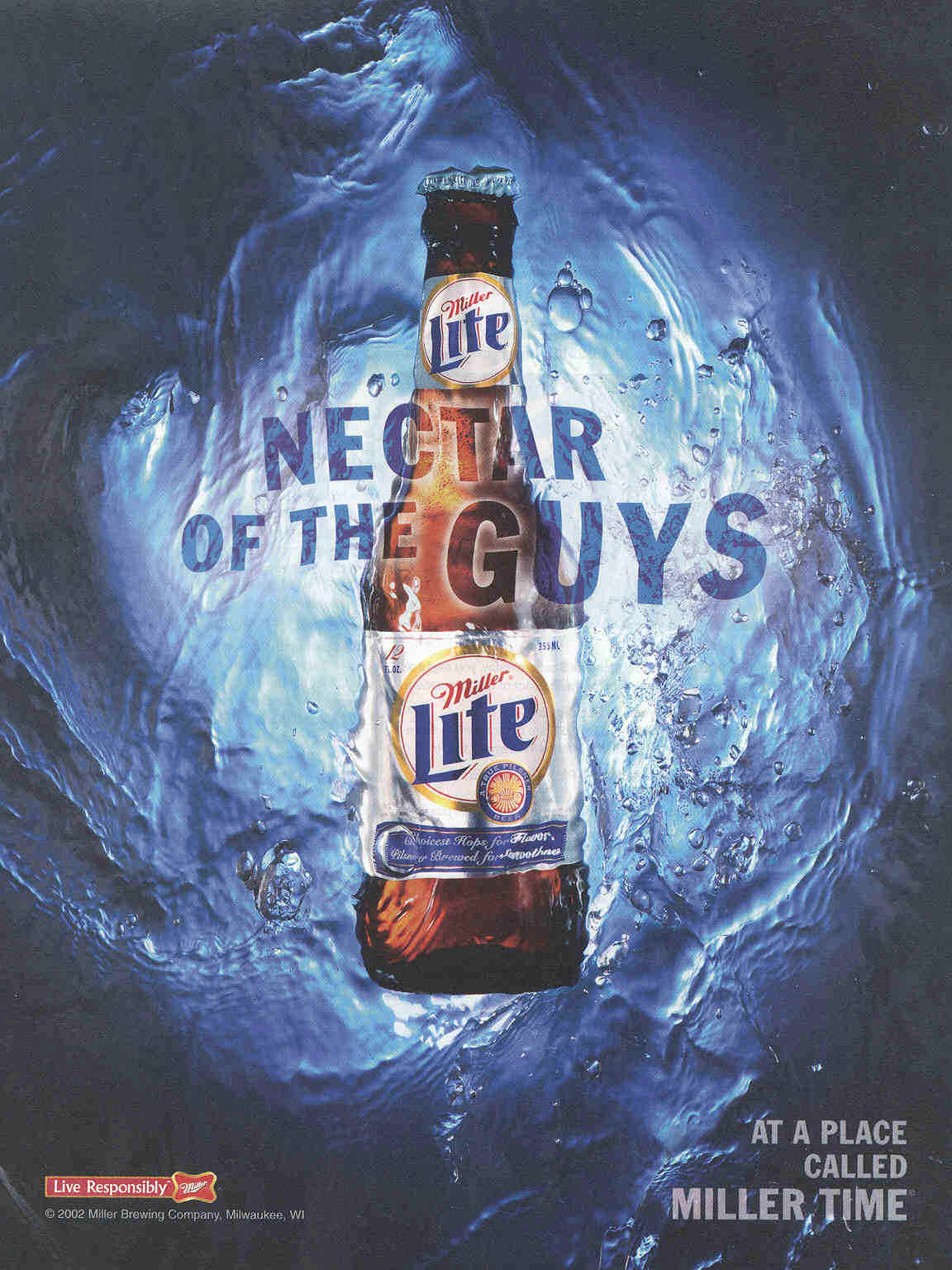 Portrayal of alcohol in media has a lot of influence on people and their drinking habits; media tells people when and what to drink. For instance, have you ever paid attention to the number of beer ads on tv, especially if a football game is on? They are repetitive and keep increasing in number. Of course, there’s nothing wrong with reaching the target market a business is aiming for. But with continuingly streaming media, it is becoming much more than selling a product to the customer. It is affecting customer’s habits; today, people cannot watch a sports game without having a beer. This did not just happen because people who watch sports are also people who drink beer. Beer became a must have for some occasions. Think of barbeque parties as well; there’s always beer served. There’s an alcoholic beverage that suits almost every occasion. How did alcohol become a celebration drink? Weddings, birthdays, college parties or any event that celebrates something does it by serving alcohol.
 On the other hand, many people discuss that too much emphasis is on positive aspects of drinking when negative effects are disregarded by media. You can’t expect any ad to show negative sides of a product. However, whether it is bad or not, American culture has become obsessed with alcohol and media has a big part in this. There’s nothing wrong about having alcohol ads on TV; the obsession factor comes in when the number of them increase and start affecting people more than convincing them to buy their products. And, this is not just true for TV commercials, movies and TV shows do an indirect marketing of alcohol by portraying the glorified fun that comes by drinking. Overall, there’s barely any media that you cannot see alcohol.
I agree, the message of " .... can be more enjoyable with a drink" is given in almost all of the ads. People who don't prefer consuming alcohol even think that they have to drink to have more fun. It is so ironic that news disagree with ads which are both shown in Tvs for instance. Consumers are confused about who to believe.
ReplyDelete